Why Compliance Is the Bottom Line
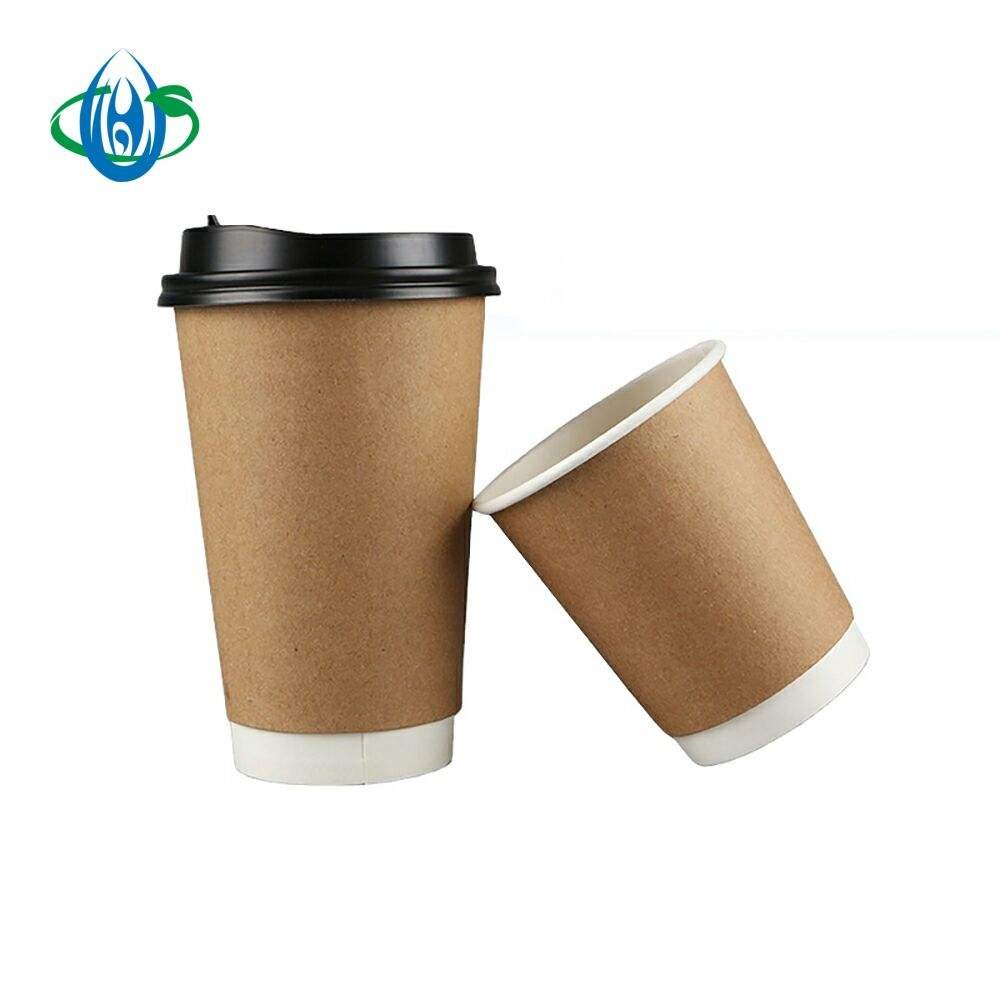
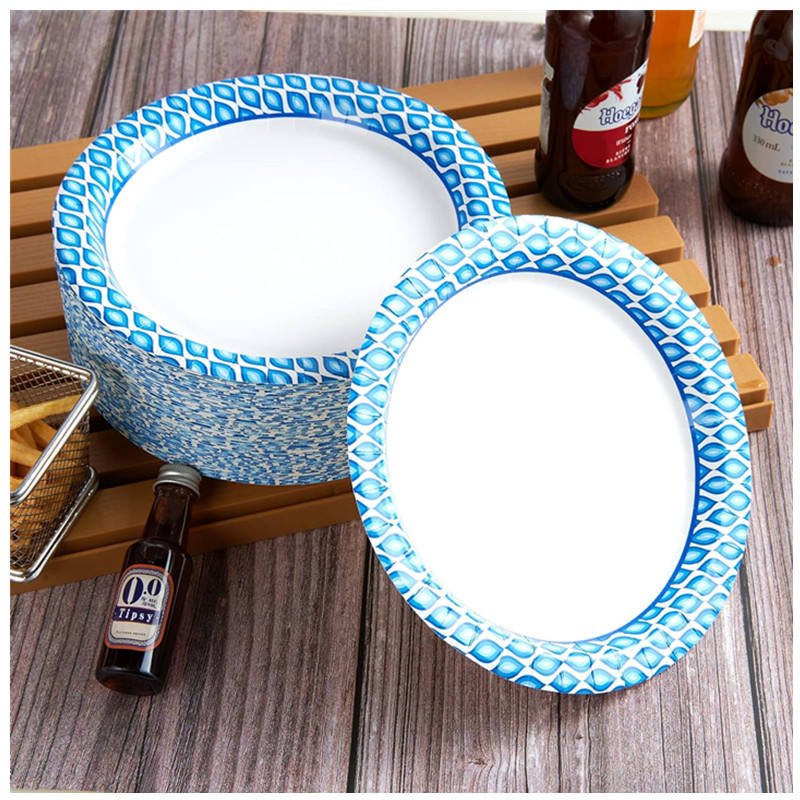
Food packaging regulations determine market access. In 2026, a non-compliant shipment of paper cups can mean customs detention, hefty fines, or a brand-damaging product recall. With regulators across the US, EU, China, and the Middle East tightening requirements simultaneously, understanding food packaging regulations is critical for anyone sourcing food contact materials internationally.
This guide provides a market-by-market breakdown for food grade paper products — paper cups, plates, trays, and food contact paperboard — plus a practical framework for supplier compliance verification.
United States: FDA 21 CFR Part 176
The US Food and Drug Administration regulates food packaging regulations for paper under Title 21 CFR. 21 CFR Part 176 — "Indirect Food Additives: Paper and Paperboard Components" — is the primary section governing food contact paper products.
Key Subsections You Need to Know
- § 176.110 — Substances used in paper/paperboard manufacture (acrylics, wet-strength resins, defoamers).
- § 176.170 — Components for aqueous and fatty food contact. This is the most important section for coated paper cups and takeaway containers.
- § 176.180 — Components limited to dry food contact only.
For PE-coated paper cups, the polyethylene coating is generally recognized as safe (GRAS) under FDA regulations. For PLA or other bioplastic coatings, you must verify that the specific grade has FDA Food Contact Substance Notification (FCN) clearance or meets the relevant 21 CFR sections.
2026 Update: State-level PFAS bans in California (AB 1200), New York, Washington, and Vermont are creating a de facto national standard. Even with federal FDA paper packaging compliance, ensure zero intentionally added PFAS to access these markets.
European Union: (EC) No 1935/2004 & EU 10/2011
The EU framework is among the world's most stringent for food contact materials.
Framework Regulation (EC) No 1935/2004
This umbrella regulation applies to all food contact materials. Its core principle: materials must not transfer constituents to food in quantities that endanger human health, alter food composition unacceptably, or deteriorate sensory characteristics. Every manufacturer must provide a Declaration of Compliance (DoC) and maintain full traceability under Good Manufacturing Practice (GMP).
EU 10/2011 — Plastic Implementation Measure
This regulation directly applies to plastic coatings on paper cups (PE, PLA, EVA). It establishes:
- Overall migration limit (OML): 10 mg/dm² of food contact surface
- Specific migration limits (SMLs) for individual substances — including primary aromatic amines, phthalates, and heavy metals
- Simulant selection protocol based on food type: Simulant A (aqueous), D1 (alcohol), D2 (fatty foods like fried items, ice cream)
SUP Directive 2019/904 & PPWR
The Single-Use Plastics Directive requires clear labeling of plastic presence (e.g., "Contains plastic" for PE-coated cups). The upcoming Packaging and Packaging Waste Regulation revision will introduce mandatory recycled content percentages and stricter compostability criteria. As of 2026, several EU member states have already enacted national measures exceeding the SUP Directive minimums.
China: GB 4806.8 Food Contact Paper Standard
For paper packaging manufactured in China — whether for domestic consumption or export — GB 4806.8-2022 "Food Contact Paper and Paperboard" is the controlling standard. Key compliance points:
- Raw material control: Recycled fiber is permitted but must meet strict limits on heavy metals (lead, arsenic, cadmium, chromium) and undergo decontamination validation.
- Migration testing: Overall migration plus specific migration of lead (≤ 3.0 mg/kg), arsenic (≤ 1.0 mg/kg), cadmium (≤ 0.5 mg/kg), and formaldehyde (≤ 15.0 mg/kg).
- Additive restrictions: Fluorescent whitening agents are strictly limited. Certain phthalate plasticizers are prohibited.
- Labeling: Must clearly indicate "food contact" use, temperature limits, and manufacturer information per GB 4806.1.
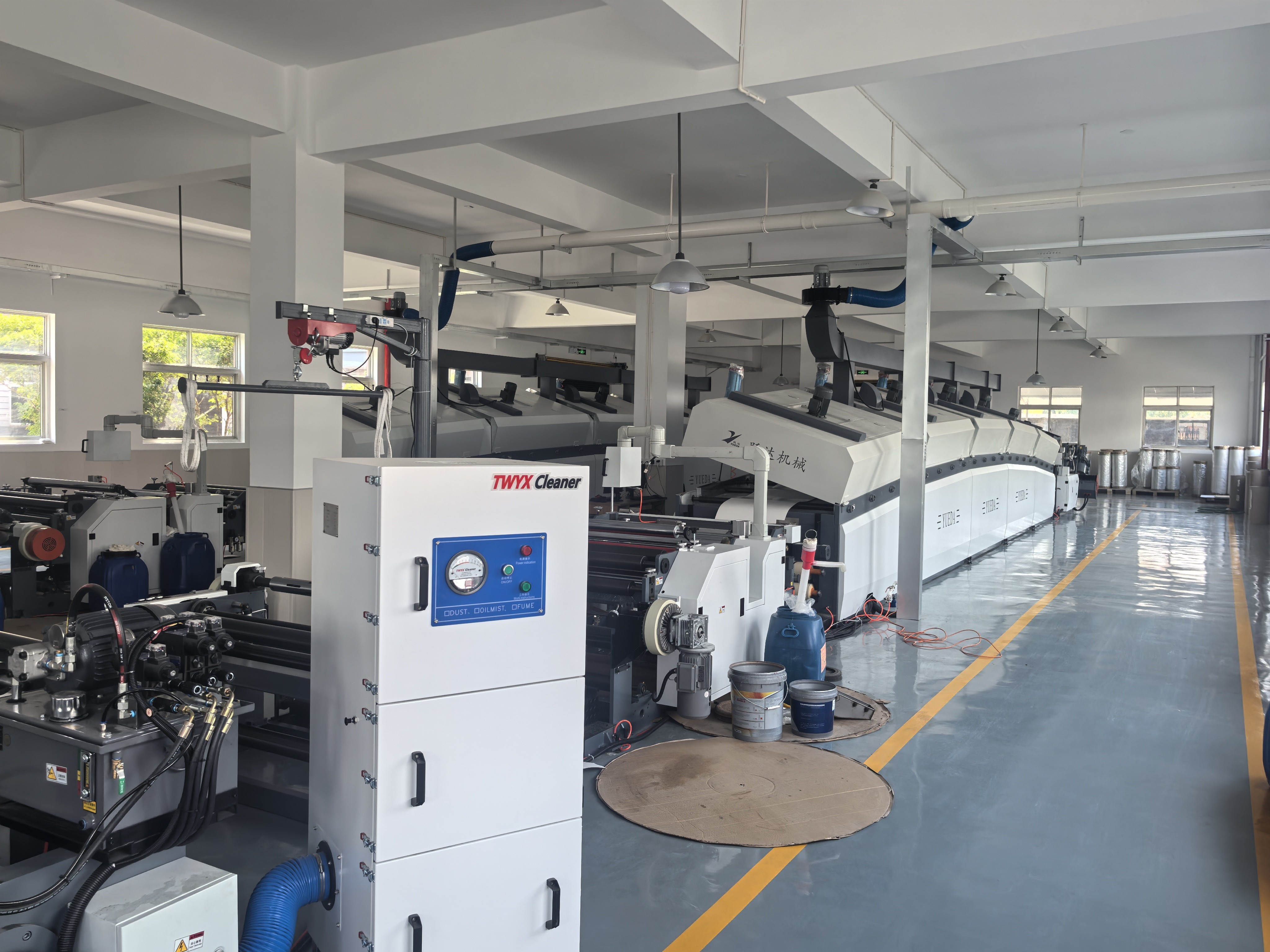
The 2022 revision brought Chinese standards significantly closer to EU and international benchmarks. Ningbo Salon Paper Product Co., Ltd. maintains full compliance with GB 4806.8 and supplements this with target-market-specific certifications.
Other Key Markets
Canada — SFCR
The Safe Food for Canadians Regulations (SFCR) govern food packaging. Canada accepts FDA-compliant materials but requires additional documentation for novel coatings and recycled fiber content.
Australia & New Zealand — FSANZ Standard 1.4.1
Food Standards Australia New Zealand (FSANZ) Standard 1.4.1 covers food contact materials with a positive-list approach. It references both EU and US standards as guidance. The Australian Packaging Covenant Organisation (APCO) adds sustainability obligations, including 2025 recyclability targets that affect paper cup design.
Middle East — GSO
The GCC is developing harmonized food packaging regulations through GSO. Most GCC states accept EU-compliant DoC documentation with SGS migration test reports. UAE's ESMA and Saudi Arabia's SASO may require local laboratory testing for high-volume items.
2026 Regulatory Trends
Several trends are reshaping global food packaging regulations in 2026:
- PFAS Phase-Out: EU REACH is proposing a comprehensive PFAS restriction. Over 20 US states now have PFAS bans. Major QSR chains have eliminated PFAS voluntarily.
- Microplastic Regulation: EU 2023/2055 affects coating formulations that may shed particles during use.
- Mandatory Recycled Content: The EU PPWR will mandate post-consumer recycled content in paper packaging.
- Digital Product Passports: The EU is piloting mandatory passports disclosing material composition, recyclability, and compliance history.
- China's Dual Carbon Goals: Carbon targets are driving mills toward lower-emission production, affecting food-grade board supply.
How to Verify Supplier Compliance
A supplier claiming "FDA approved" is not enough. Here is a six-point checklist for sourcing food contact materials from China:
- Third-party test reports — Request SGS, Intertek, or Bureau Veritas migration reports specific to your target market, less than 12 months old.
- Declaration of Compliance (DoC) — Must list all intentionally added substances and cite EU 10/2011 positive list references.
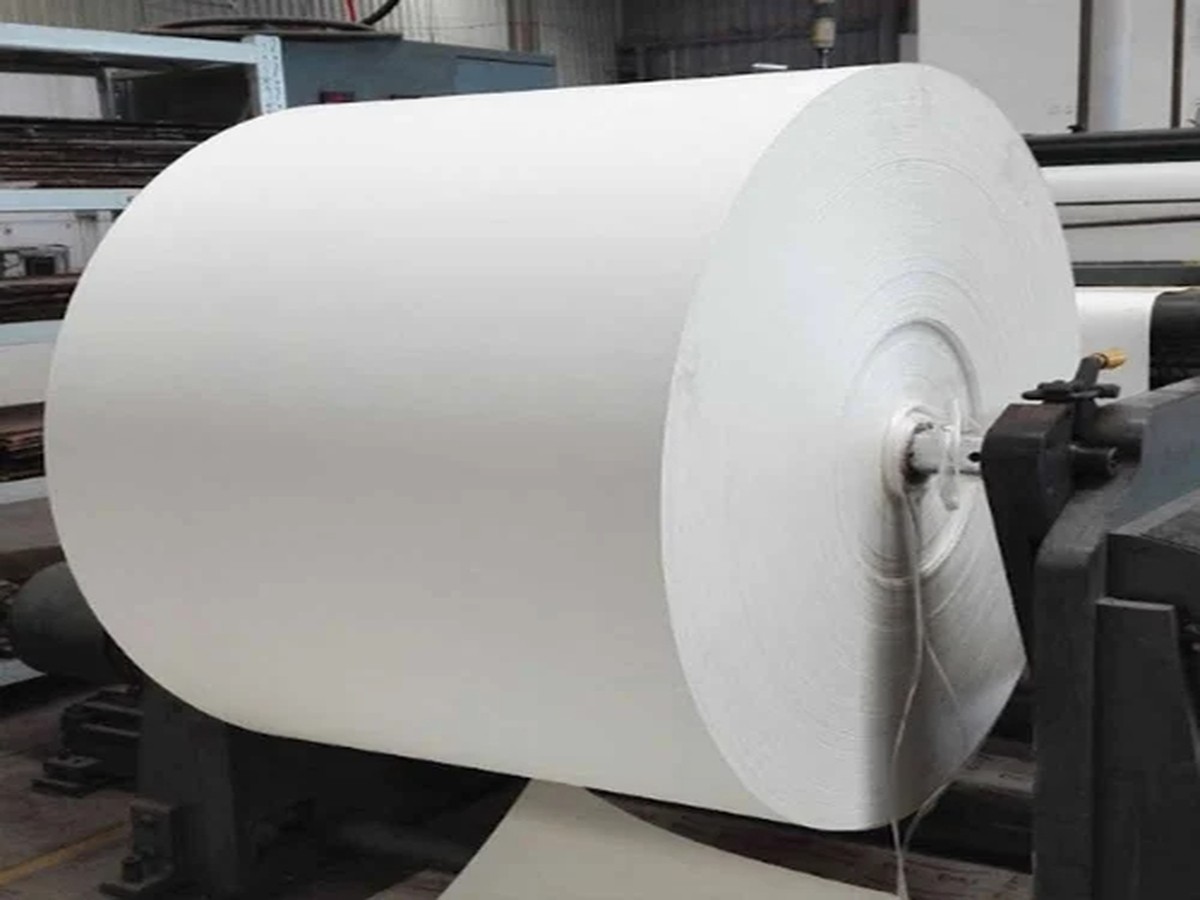
- Raw material traceability — Verify the paperboard mill's certifications. A manufacturer cannot exceed the compliance of the board they source.
- Factory audit — Commission a GMP/HACCP audit. Look for ISO 22000 food safety certification.
- FSC Chain of Custody — Request the supplier's FSC CoC certificate number (FSC-CXXXXXX) covering your product category.
- Coating documentation — For PE/PLA lined cups, request the coating manufacturer's food contact declaration and FDA FCN or EU reference.
Ningbo Salon Paper Product Co., Ltd. maintains complete compliance files including SGS FDA migration test reports, EU DoC documentation, FSC Chain of Custody certification, and mill certificates. These are provided to all customers at no additional cost.
For more on specific certifications, read our guide: Food Grade Paper Certifications Explained.
Conclusion: Compliance as Competitive Advantage
Navigating global food packaging regulations separates professional suppliers from commodity traders. Understanding your target market — FDA, EU, GB 4806.8, Canada SFCR, Australia FSANZ, or GSO — and systematically verifying supplier compliance documentation protects your brand, ensures customs clearance, and builds customer trust.
As PFAS restrictions, recycled content mandates, and digital traceability accelerate, partnering with a manufacturer that invests in compliance is a strategic advantage.
Need Compliance Documentation?
Our team at Ningbo Salon Paper Product Co., Ltd. can provide full compliance packages for your target market. Visit www.salonpaper.com or email [email protected] for certification files, migration test reports, and free samples.
Request Compliance Documents