Why Your Choice of Paper Cups Affects Your Brand Image
Your brand's paper cup is more than a container — it is a mobile billboard. Every cup that leaves your coffee shop, café, or food truck carries your logo, your colors, and your quality message. Choose the wrong cup, and you risk leaks, customer complaints, and a damaged brand reputation. Choose the right one, and you build loyalty, reduce costs, and stand out from competitors.
The tactile experience matters: a flimsy cup that bends when held signals poor quality, while a sturdy, well-printed cup reinforces professionalism and attention to detail. This comprehensive guide will help you understand how to choose paper cups that align with your brand identity, functional needs, and budget.
1. Cup Sizes: 8oz, 12oz, 16oz and When to Use Each
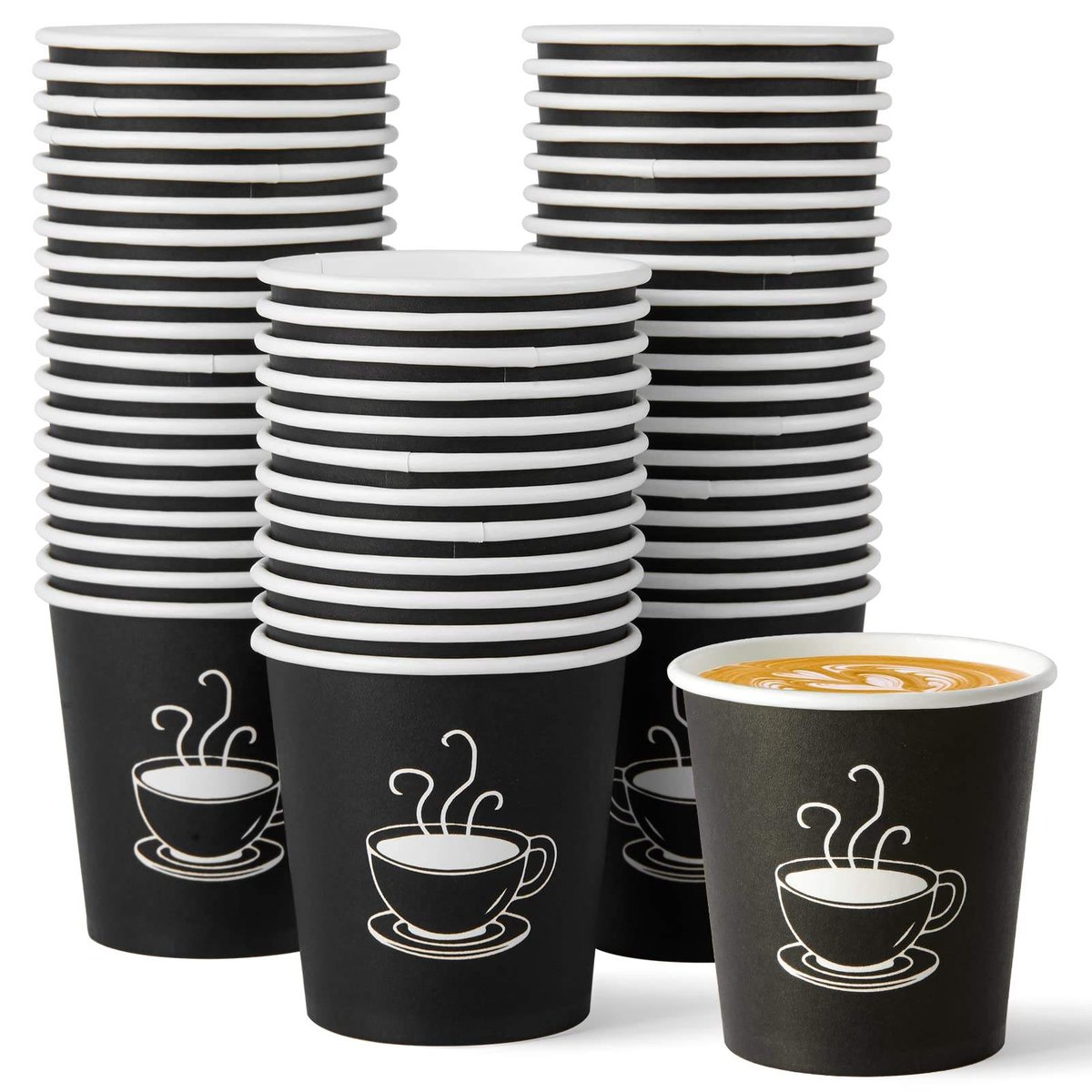
The first decision when you choose paper cups is size. Standard options range from 4oz to 24oz, but the most popular sizes for branded paper cups are:
- 8oz (240ml) — Standard small size for espresso-based drinks, kids' beverages, and sample cups. Perfect for specialty coffee shops offering a short option or for tasting portions at events.
- 12oz (355ml) — The most common mid-size cup worldwide. Ideal for standard coffee, tea, and soft drink servings. This is the default "regular" size in most café chains and the most widely stocked size for custom paper cups.
- 16oz (473ml) — The "large" option for cold brew, iced lattes, smoothies, and fountain drinks. Increasingly popular in the US and Asian markets for all-day beverage consumption.
Some brands also use 4oz cups for tasting or sample servings, and 20oz–24oz for extra-large cold drinks or milkshakes. Your choice should match your menu: hot cups require different specifications than cold cups in terms of coating and insulation. Consider your serving temperature, portion size, and customer expectations before deciding.
2. Grammage and Thickness: What Weight Paper Do You Need?
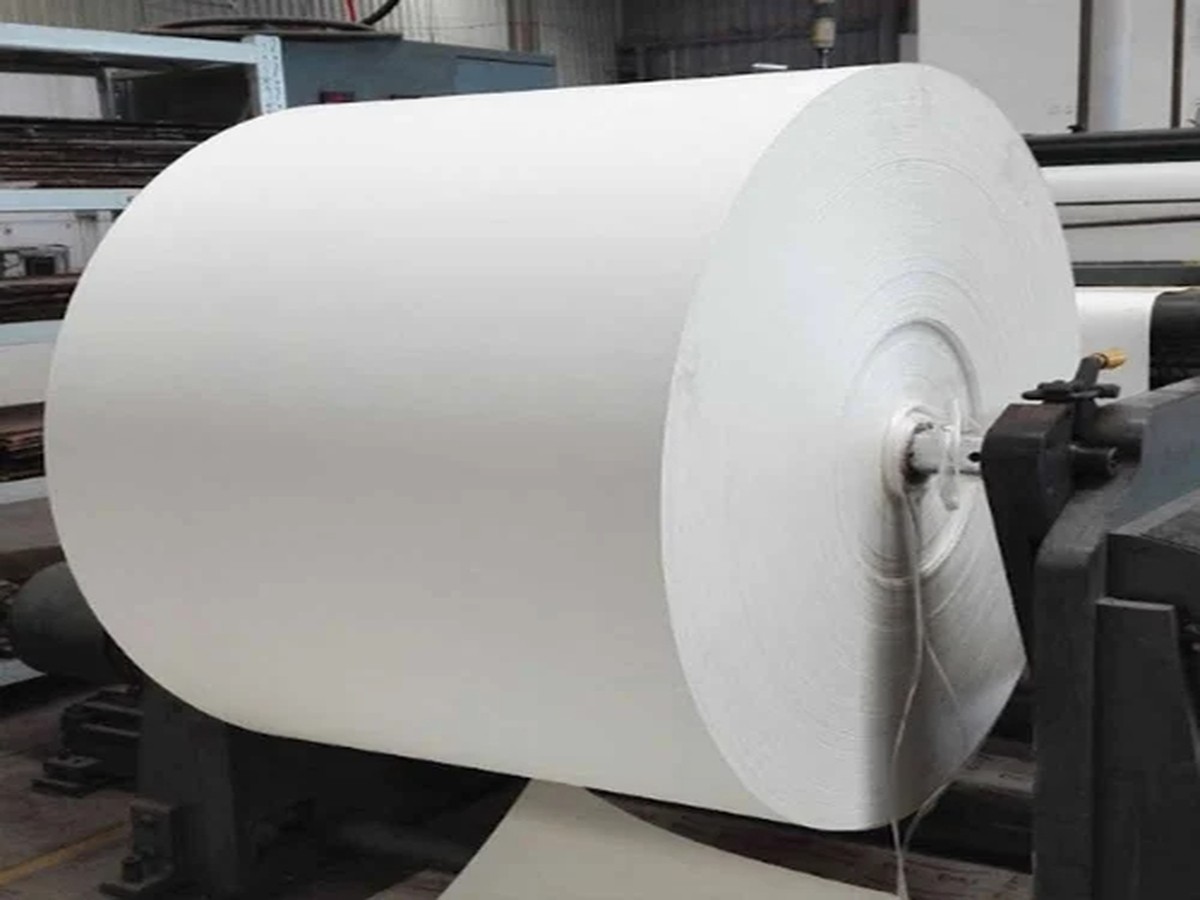
GSM (grams per square meter) determines the cup's rigidity, heat retention, and overall feel in hand. Here is a quick breakdown of what works best:
- 170–200 GSM — Lightweight, suitable for cold drinks or short-use hot cups. Less expensive but feels flimsy in hand. Not recommended for premium branded paper cups.
- 210–250 GSM — Industry standard for hot beverage cups. Provides a good balance between rigidity and cost. Ideal for most coffee shop and food service applications.
- 260–300 GSM — Heavy-duty, premium feel. Used for double-wall insulated cups, soup bowls, and high-end brand applications. Excellent thermal retention and structural integrity.
For most branded applications, 220–250 GSM is the sweet spot. A thicker cup conveys quality and reduces the risk of deformation when holding hot liquids. If you are sourcing custom paper cups for a premium brand, opt for 260 GSM or higher to deliver a truly substantial feel.
3. Single Wall vs Double Wall Paper Cups
The wall construction directly impacts insulation, comfort, and cost. Understanding the difference between single wall and double wall paper cups is essential when deciding how to choose paper cups for your specific use case.
Single Wall Cups
Made from one layer of paper board with a thin coating. Lightweight, affordable, and fully printable on the exterior. However, single-wall cups get hot to the touch with hot beverages and usually require a sleeve. Best for cold drinks or budget-conscious brands that plan to use cup sleeves. Single wall is also the most economical choice when you need branded paper cups for high-volume events.
Double Wall Cups
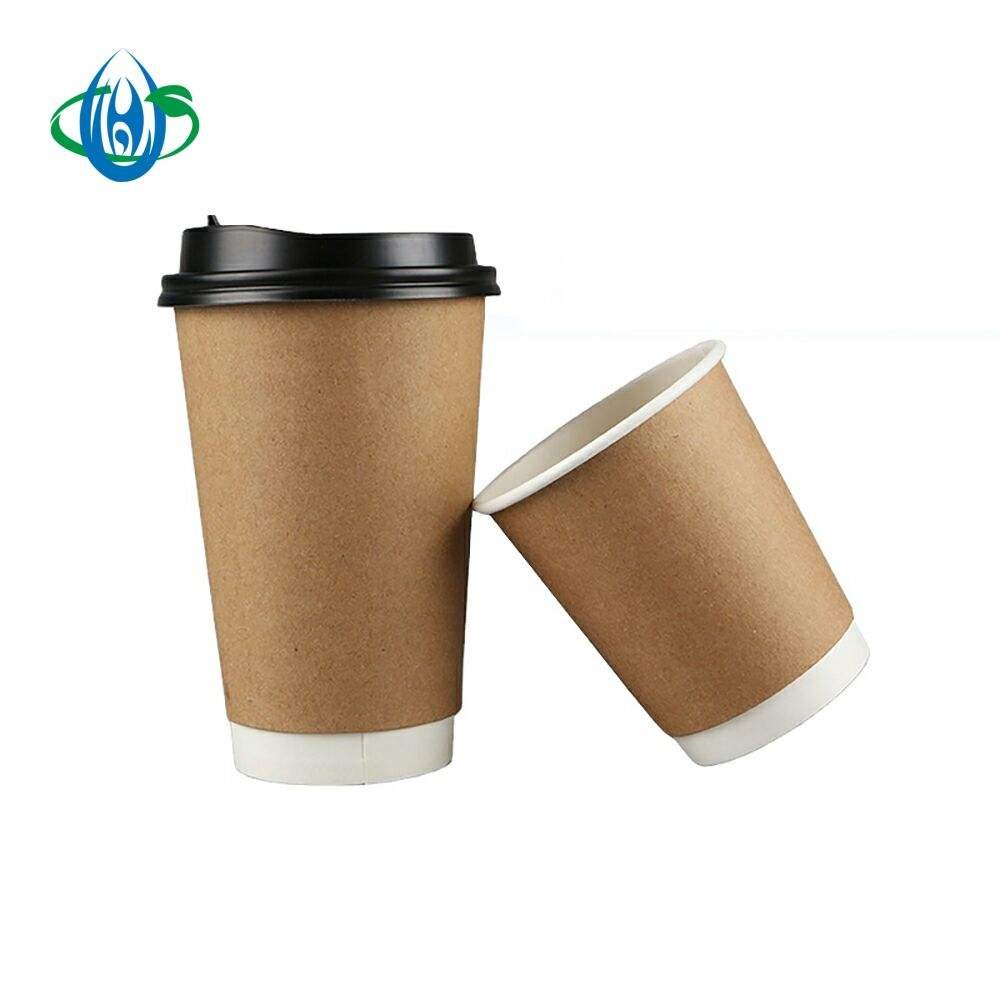
Two layers of paper with an insulating air gap. The outer wall stays cool to the touch with hot drinks — no sleeve needed. Feels premium and sturdy in hand. Double-wall cups offer excellent insulation and an elegant appearance, making them the preferred choice for coffee shops, cafés, and premium food service brands. The print quality is excellent since the outer layer provides a dedicated printing surface.
Ripple Wall Cups
Single-wall cup with a corrugated outer layer offering even better insulation than double wall. Distinctive textured look that is popular for artisan coffee shops and eco-conscious brands seeking a natural, handcrafted aesthetic. Combines the cost benefits of single wall with superior heat protection.
4. PE Coating vs PLA Coating: Which Should You Choose?
The internal coating is critical — it prevents liquid from soaking through the paper and maintains structural integrity. The two main options are PE and PLA, and your choice has implications for performance, cost, and sustainability.
- PE (Polyethylene) Coating — The traditional industry standard. A thin plastic layer that provides excellent water resistance for both hot and cold drinks. Cost-effective, reliable, and suitable for temperatures up to 100°C (212°F). PE-coated cups are widely recyclable in facilities that accept coated paper. However, they are not compostable.
- PLA (Polylactic Acid) Coating — A plant-based bioplastic made from corn starch or sugarcane. Commercially compostable under industrial composting conditions. Environmentally appealing for eco-conscious brands and increasingly demanded in European markets due to the Single-Use Plastics Directive (SUP). Slightly more expensive than PE and less suitable for very hot liquids above 80°C (176°F).
Your choice depends on your sustainability goals, local regulations, and budget. Many European buyers now require PLA or water-based dispersion coatings. In North America, PE remains dominant but PLA is growing quickly. When you choose paper cups for export, always verify coating compliance with your target market's regulations.
5. Printing Methods: Offset, Flexo, and Hot Stamping (Foil)
Your cup is a marketing tool. The right printing method makes all the difference in how your brand is perceived. Here are the main options for custom paper cups:
- Flexographic Printing (Flexo) — High-speed, cost-effective for large runs (50,000+ cups). Ideal for 1–3 color logos and simple designs. Best for basic branding on high-volume orders where unit cost matters most.
- Offset Printing — Superior print quality and color accuracy. Handles complex artwork, gradients, and full-color photographic images. Typically requires 10,000+ MOQ per design. The go-to choice for premium brands that want vibrant, photo-realistic branding on their cup surfaces.
- Hot Stamping (Foil / Gold Stamping) — A specialty process that applies metallic foil (gold, silver, bronze, or holographic) to the cup surface. Creates a luxurious, high-end look that catches light and attracts attention. Ideal for limited-edition promotions, luxury brands, and special events. Hot stamping adds an elegant tactile element that differentiates your custom paper cups from standard printed cups.
- Digital Printing — Best for short runs (500–5,000 cups) and variable data. No plate costs, fast turnaround. Excellent for short-run promotional campaigns, seasonal designs, or market testing new artwork.
At Salon Paper, we offer all these printing methods to match your run size and budget. For complex designs with gradients or photographic elements, offset printing delivers the best result. For simple logo cups in large volumes, flexo keeps costs low. For premium brand positioning, hot stamping adds undeniable luxury appeal. Learn more on our paper cups product page and our detailed custom printing options guide.
6. Certification Requirements: FDA, EU Food Contact, and FSC
Regulatory compliance is non-negotiable for food contact paper products. Here are the key certifications to look for when you source custom paper cups:
- FDA 21 CFR Part 176 — US Food and Drug Administration compliance for paper and paperboard in contact with food. Essential for the US market. It regulates allowable components in the paper and coating. Always request valid third-party test reports.
- EU (EC) No 1935/2004 — The European framework for food contact materials. For plastic-coated cups, EU 10/2011 (Plastic Implementation Measure) also applies. Required for the European market. Increasingly, EU 10/2011 migration testing is demanded by importers.
- FSC (Forest Stewardship Council) — Certifies that the paper fiber comes from responsibly managed forests. Not a food safety certification, but increasingly demanded by eco-conscious brands and retailers worldwide. FSC certification adds credibility to your sustainability claims.
- SGS / Intertek Testing Reports — Third-party laboratory testing that verifies material safety and compliance with specific market requirements. Always ask your supplier for up-to-date test reports matching your target market.
Never rely on self-declarations alone. A responsible supplier like Ningbo Salon Paper Product Co., Ltd. provides valid third-party certifications on request. See our food grade certification guide for a deeper dive into compliance requirements.
7. Industry-Specific Recommendations
Different industries have different requirements for branded paper cups. Here is a quick reference for common sectors:
- Coffee Shops & Cafés — Double-wall 12oz and 16oz cups with offset printing. PE or PLA coating depending on sustainability goals. No sleeve needed. Premium feel is expected.
- Fast Food & Quick Service Restaurants — Single-wall cups (8oz–16oz) with flexo printing for volume cost efficiency. Use cup sleeves for hot drinks. Focus on cost-effective bulk pricing.
- Retail Stores & Grocery — Stock-size cups (8oz/12oz/16oz) with private-label branding. FSC certification is often required for retail shelf placement. Smaller MOQ flexibility is important.
- Events & Catering — Single-wall printed cups in 8oz–12oz, budget-friendly, often with event-specific or generic printing. Fast turnaround and short lead times are priorities.
- Ice Cream & Dessert Shops — Single or double-wall 4oz–8oz cups with PE coating for condensation resistance. Kraft finish options available for a rustic look.
When you choose paper cups for your specific industry, consider not just the size and print, but also the volume you will need, your storage space, and whether your customers will consume drinks on-site or take them to go.
8. Common Sourcing Mistakes to Avoid
After years of working with global buyers at Salon Paper, here are the most common procurement mistakes we see when businesses choose paper cups for their brand:
- Choosing the wrong size convention — 12oz is called "medium" in Asia and Europe but "small" in the US. Understand your market's sizing language before ordering.
- Skipping the sleeve for single-wall cups — If you choose single-wall cups for hot drinks, budget for sleeves. Burnt fingers are bad for brand loyalty and may lead to liability issues.
- Overlooking coating temperature limits — PLA cups cannot handle boiling water above 80°C. For boiling applications (tea, soup, hot chocolate), use PE coating or specify high-temperature PLA.
- Ignoring local regulations — The EU SUP directive bans certain single-use plastics. Ensure your cups comply before shipment arrives at customs. A compliance failure can mean destroyed inventory.
- Falling for the cheapest supplier trap — Lowest-priced cups often use recycled fiber with unknown origin, poor print quality, and questionable coating. Your brand deserves better. Consider total cost of ownership, not just unit price.
- Not ordering physical samples — Photos and spec sheets cannot replace the tactile evaluation of a physical cup. Always evaluate structure, print quality, feel, and heat performance before ordering bulk quantities.
- Ordering too little or too much — Balance MOQ requirements with inventory turnover. Ordering below MOQ at higher per-unit cost hurts margins; ordering too much risks obsolescence if you rebrand.
Conclusion
Choosing the right paper cups for your brand is a strategic decision that balances size, material, construction, coating, printing, and compliance. Invest time upfront to match your cup specifications to your market, product, and brand values. The right custom paper cups can enhance your brand perception, reduce waste, and save money in the long run.
At Ningbo Salon Paper Product Co., Ltd. (Source Factory), we have been manufacturing branded paper cups for global brands since 2010. Our 22,000 m² facility produces millions of cups per month with full customization and FDA, EU, and FSC certification support. We help businesses like yours choose paper cups that build stronger brands.
Ready to Get Started?
Request free samples and a competitive quote. Visit www.salonpaper.com or email [email protected] with your requirements. You can also reach us on WhatsApp.
Contact Us for Samples