Introduction
The global market for disposable paper plates and trays is expanding rapidly. Driven by the worldwide shift away from single-use plastics, growing food delivery and takeaway culture, and tightening regulations on polystyrene foam containers, demand for eco-friendly paper-based tableware has never been higher. For importers and distributors looking to enter or expand in this space, sourcing from China remains the most cost-effective strategy — but knowing exactly what to look for makes all the difference between a profitable product line and a costly mistake.
In this guide, we break down everything you need to know about sourcing paper plates and food trays from China in 2026: the main product types, raw materials used, key certifications, customization options, and practical tips for selecting a reliable manufacturing partner.
1. Main Types of Paper Plates and Trays
Understanding the product categories is your first step. Not all paper plates are created equal, and choosing the right type for your target market will determine your pricing, packaging, and regulatory compliance requirements.
Round Paper Plates
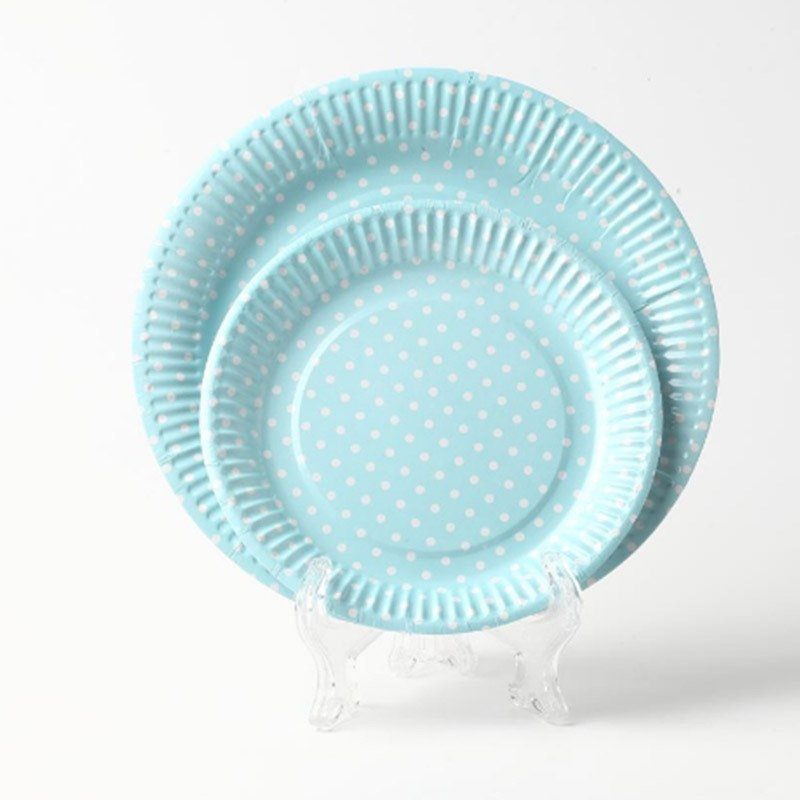
The most common category. Typical diameters range from 6 inches (dessert/side plates) to 10 inches (dinner plates), with 7-inch, 8-inch, and 9-inch being the most requested sizes globally. Round plates can be plain white, kraft brown, or custom-printed. They are available in both shallow and compartment styles. Key applications include parties, catered events, food trucks, and everyday household use.
Food Trays with Compartments
Increasingly popular in the takeaway and meal-prep segment. These trays feature 2, 3, or 5 compartments, making them ideal for serving complete meals with separate sections for main dishes, sides, and sauces. Common materials include sugarcane bagasse (molded fiber) and paperboard. Sizes vary widely, but standard formats include 8x6 inch, 10x8 inch, and 9x7 inch. Many come with matching clear lids made from PET or PLA.
Cake Trays and Bakery Boards
A specialized category for bakeries, patisseries, and cake shops. These are typically round or square boards with grease-resistant coating. Sizes range from 6 inches to 16 inches in diameter, often with corrugated or双层 (double-layer) construction for extra strength. Many are paired with dome lids for display and transport.
Microwave-Safe Plates
Made from thicker paperboard (typically 300-600 gsm) with special heat-resistant coatings. These plates can withstand brief microwave heating cycles without warping or leaking. They are a premium product commanding higher retail prices, especially in convenience stores and office cafeterias.
Biodegradable Option Plates
Made from natural fibers like sugarcane bagasse, bamboo, palm leaf, and wheat straw. These are trending strongly in Europe and North America where plastic-free legislation is most aggressive. Bagasse plates, in particular, have excellent oil and moisture resistance and can be composted in industrial facilities.
2. Raw Materials: What Are Paper Plates Made Of?
The material you choose directly affects cost, performance, and market positioning. Here are the most common options available from Chinese manufacturers:
Food-Grade Paperboard (Virgin Fiber)
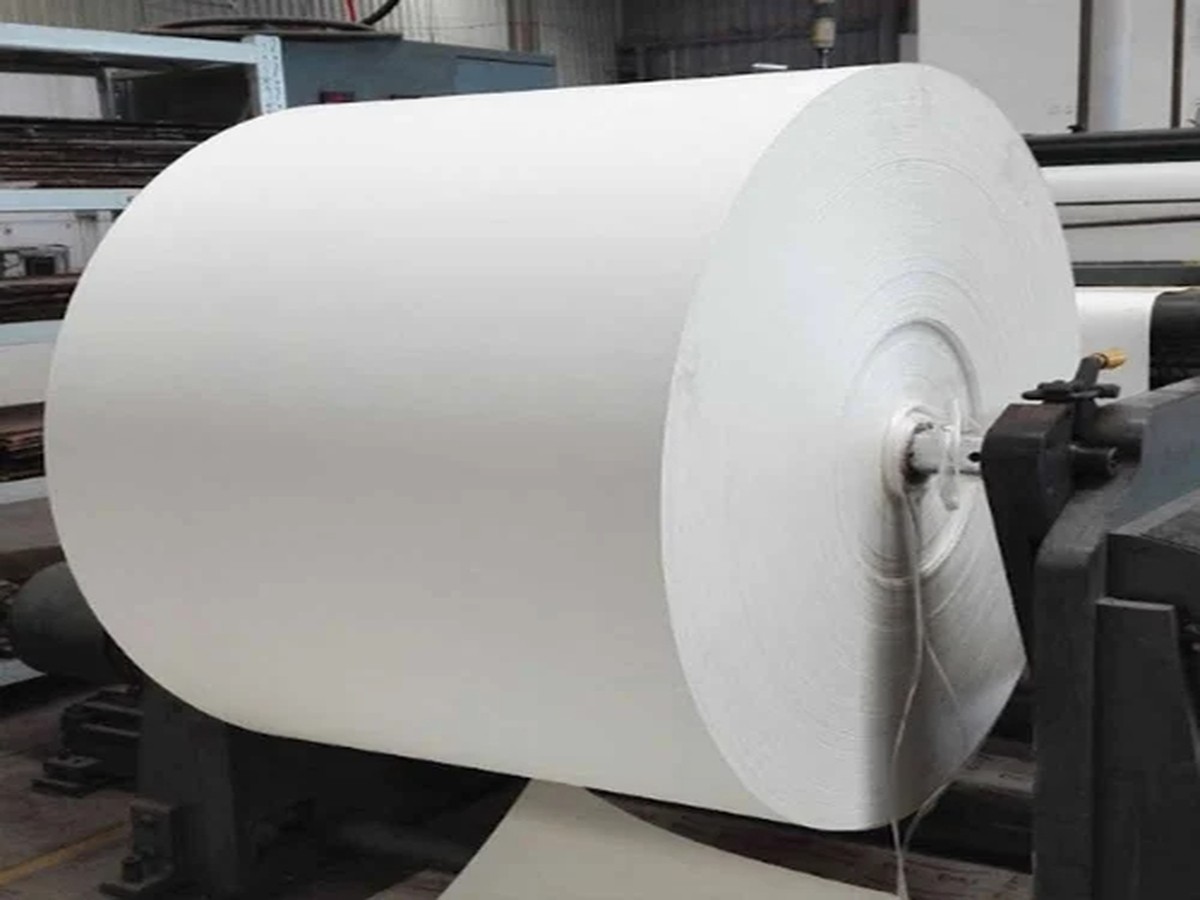
The most widely used material for paper plates. Made from virgin wood pulp (bleached or unbleached), it offers high stiffness, good printability, and consistent quality. Typical grammages range from 200 to 450 gsm. Virgin fiber paperboard is FDA and EU food-contact compliant when properly certified, making it suitable for direct food contact. Brands looking for a premium feel typically choose this option.
Sugarcane Bagasse (Molded Pulp)
A byproduct of sugar production, bagasse is a rapidly renewable resource. Molded bagasse tableware has a distinctive natural fiber texture, excellent rigidity, and can withstand both hot and cold foods. It is microwave-safe (short bursts) and compostable. Bagasse is the material of choice for eco-conscious brands and markets with strict compostability requirements. However, its natural beige/brown color limits bright white printing options.
PE-Coated Paperboard
Standard paperboard laminated with a thin polyethylene layer on one or both sides. The PE coating provides moisture resistance, prevents the plate from becoming soggy when in contact with wet or oily foods, and adds structural integrity. This is the traditional, cost-effective option and is widely accepted in markets without strict compostability regulations.
PLA-Coated Paperboard
Polylactic acid (PLA) is a plant-based biodegradable plastic made from corn starch or sugarcane. PLA-coated paperboard offers the same moisture barrier properties as PE but is compostable in industrial facilities. It is more expensive than PE coating, typically commanding a 15–30% premium. As more countries implement bans on conventional plastics, PLA-coated products are gaining market share.
Aluminum Foil Laminate
Used primarily for takeaway trays (like Chinese takeout boxes and foil-wrapped trays). These provide excellent heat retention and are oven-safe. While less common in the eco-friendly segment, they remain popular for specific takeaway applications and will continue to be a staple for certain food service channels.
3. Certifications and Regulatory Compliance
When exporting paper plates and trays, compliance with destination-country regulations is non-negotiable. Here are the key certifications you should verify with your supplier:
FDA (US Market)
The U.S. Food and Drug Administration requires that food contact materials comply with FDA 21 CFR regulations. A reputable Chinese supplier should provide FDA compliance documentation showing that their raw materials and finished products meet FDA standards for direct food contact. Without this, your shipments may be detained at U.S. Customs.
EU Framework Regulation (EC) No. 1935/2004
For exports to the European Union, paper plates and trays must comply with the general framework regulation for food contact materials. Additionally, compliance with specific migration limits for heavy metals, phthalates, and other substances may be required. Suppliers serving the EU market should provide a Declaration of Compliance (DoC) along with supporting laboratory test results.
FSC Certification
The Forest Stewardship Council (FSC) certifies that the virgin fiber used in paperboard comes from responsibly managed forests. FSC certification is highly valued in the European market and is increasingly required by major retailers and food service chains. If your target customers include large supermarket chains or coffee shop chains, FSC certification is a must.
LFGB / German Food Contact Standard
Germany has some of the strictest food contact regulations in the world. The LFGB standard (Lebensmittel- und Futtermittelgesetzbuch) is often used as a benchmark for quality. While not mandatory for other EU countries, LFGB test reports are widely accepted as evidence of high-quality food-safe production.
OK Compost / TÜV Austria Certification
For compostable products (bagasse plates, PLA-coated plates), certifications from TÜV Austria or the Biodegradable Products Institute (BPI) are important. The "OK Compost Industrial" and "OK Compost Home" labels assure buyers that your products will biodegrade under specified conditions. Products marketed as "compostable" without these certifications risk greenwashing accusations in regulated markets.
4. Customization Options: Printing, Packaging, and Branding
Customization is where the real value-add lies for importers. While plain white plates are a commodity, custom-printed plates command significantly higher margins. Here are the main options available:
Printing Methods
Offset printing delivers high-resolution, full-color graphics with fine detail — ideal for brand logos, patterns, and artwork. It is best suited for large MOQs (500,000+ pieces). Flexographic printing is a more economical option for mid-to-large runs with simpler designs and fewer colors. Digital printing offers the lowest MOQ (as low as 1,000 pieces) but at a higher per-unit cost. Many Chinese manufacturers offer all three methods, allowing you to scale your order from small test runs to full production.
Private Label Packaging
Most manufacturers offer private label packaging: your brand name printed on the master cartons and, for premium lines, on individual product wraps. Options include shrink-wrap bundles (10 or 25 plates per bundle), polybag packaging, and branded display boxes for retail shelves. Custom packaging generally requires an additional 7–15 working days.
Embossing and Texture
Some manufacturers can apply custom embossed patterns or textures to the plate surface. This adds a tactile premium feel and can also improve rigidity by creating structural ridges. Embossing is particularly popular for cake boards and premium catering plates.
5. Quality Control Checklist
Before placing a large order, verify your supplier's quality control procedures. Here are the specific QC checkpoints for paper plates and trays:
- Grammage test: Verify the actual weight per square meter matches specifications. A variance of more than 5% can affect plate rigidity and cost calculations.
- Leak test: Fill the plate with warm water (40–60°C) and leave for 15 minutes. Check for seepage, softening, or delamination.
- Microwave test: Place a food-loaded plate in a microwave for 2 minutes at 800W. Check for warping, burning, or structural failure.
- Grease resistance: Place a few drops of cooking oil on the plate surface. Wipe after 10 minutes and check for stain penetration.
- Dimensions: Check top diameter, base diameter, rim height, and thickness using calipers. Shipping manifests often reflect nominal sizes, so actual measurement is essential.
- Color consistency: Use a spectrophotometer to measure delta E (color difference) between production batches, especially for custom-printed products.
6. MOQ, Pricing, and Lead Time
Understanding typical MOQs and pricing helps you plan your purchasing strategy. For plain white paper plates (no printing), MOQ is typically 10,000 to 50,000 pieces, with per-unit prices ranging from $0.015 to $0.05 depending on size and material. Custom printed plates require a minimum of 100,000–500,000 pieces for offset printing, with prices adding 10–30% for the printing cost. For bagasse molded fiber plates, MOQs start around 10,000–30,000 pieces, at $0.04–$0.12 per piece. Lead times range from 15 to 25 working days for standard orders, and 25 to 40 working days for custom-printed orders.
7. Choosing the Right Supplier
Not all Chinese factories are equal. Here are practical criteria for vetting paper plate manufacturers:
- Production capacity: A factory with at least 5 high-speed forming lines can reliably handle orders of multiple container loads.
- Export experience: Look for suppliers who already export to your target region. They will know the certification requirements and shipping logistics.
- Sample turnaround: A serious manufacturer can produce and ship samples within 5–7 working days. Delays are a red flag.
- Factory audit: If possible, visit the factory or hire a third-party inspection agency to audit production conditions, quality control labs, and warehouse management.
- Communication: English-speaking export teams with prompt response times (within 24 hours) are essential for smooth long-term collaboration.
Conclusion
Sourcing paper plates and trays from China in 2026 offers excellent value, but success requires careful attention to product type, material choice, certification requirements, and supplier selection. By understanding these fundamentals, importers can confidently build a profitable paper tableware product line.
At Ningbo Salon Paper Product Co., Ltd., we manufacture a full range of paper plates, food trays, and cake boards with FDA-compliant materials and FSC-certified fiber. We offer custom printing, private label packaging, and flexible MOQs to match your business needs.
Ready to Source Paper Plates from China?
Visit www.salonpaper.com for free samples and competitive pricing. Our export team is ready to support your next order.
Contact Us for Samples View Paper Plate Products