رؤية صناعية | اتجاهات التعبئة والتغليف المستدامة
مقدمة
تدخل صناعة التعبئة والتغليف العالمية مرحلة جديدة من التحول.
مع استمرار الحكومات والأسواق الدولية في تعزيز أهداف خفض الكربون والمتطلبات البيئية، تواجه صناعة الورق ضغطاً متزايداً لتحسين كفاءة الطاقة، وتقليل الانبعاثات، وبناء أنظمة إدارة استدامة أكثر شفافية.
بالنسبة لمصنّعي التعبئة والتغليف والمطابع والمشترين العالميين، لم يعد الامتثال الكربوني مجرد موضوع بيئي. بل أصبح عاملاً مهماً يؤثر على اختيار الموردين وتكاليف الإنتاج والقدرة التنافسية طويلة الأجل لسلسلة التوريد.
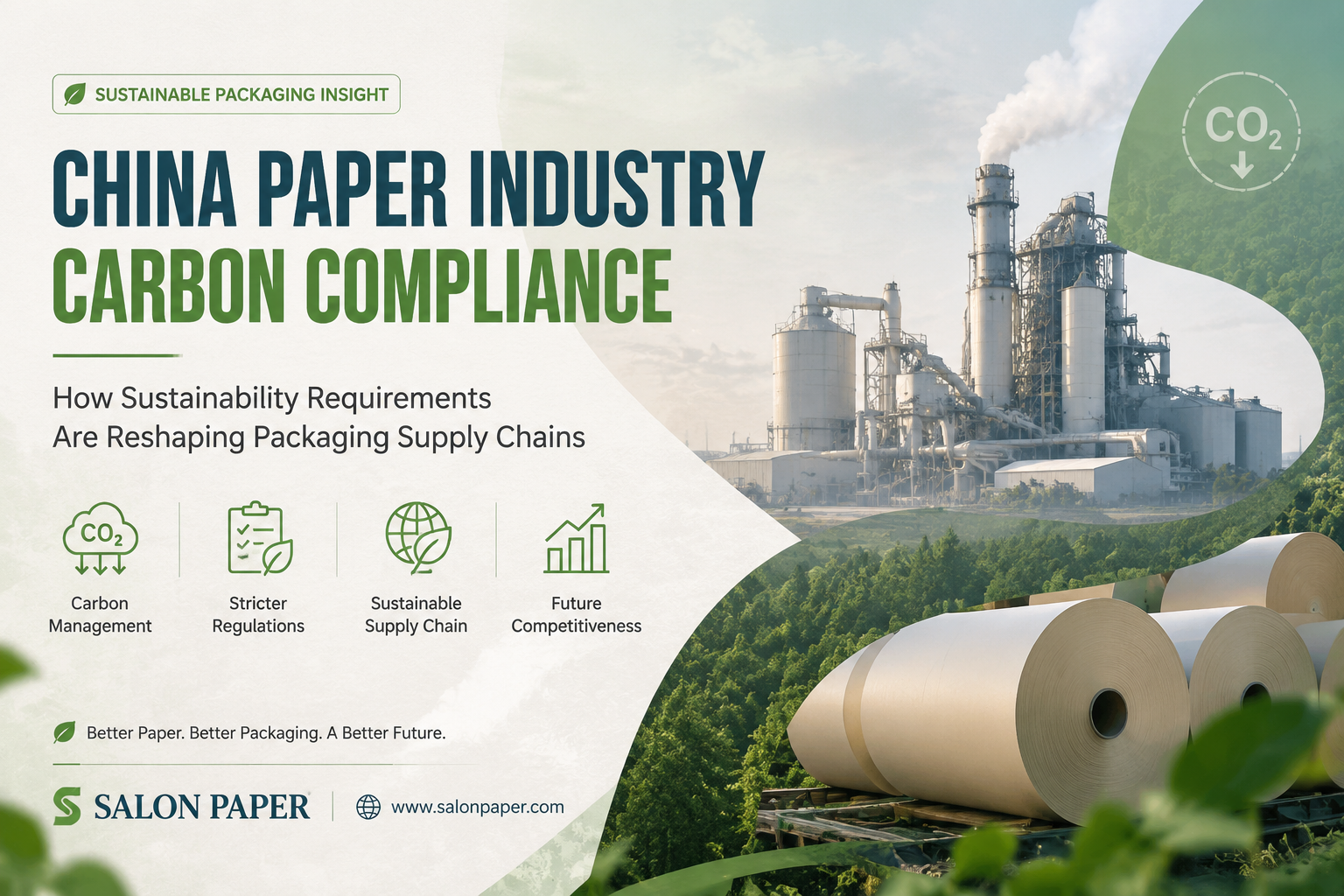
تشهد صناعة الورق في الصين، باعتبارها واحدة من أكبر قطاعات تصنيع الورق في العالم، تغييرات كبيرة مدفوعة بإدارة بيئية أكثر صرامة والتحول نحو اقتصاد منخفض الكربون.
1. اللوائح البيئية تدخل مرحلة جديدة
واصلت الصين تعزيز إطار الحوكمة البيئية لديها في السنوات الأخيرة.
إن تم اعتماد القانون البيئي لجمهورية الصين الشعبية في 2026 وسيدخل حيز التنفيذ في 15 أغسطس 2026. يعزز التشريع بشكل أكبر الإطار الشامل لحماية البيئة ومنع التلوث والإدارة البيئية والتنمية الخضراء.
بالنسبة للصناعات التحويلية، بما في ذلك إنتاج الورق، يعكس ذلك اتجاهاً أوسع نحو:
- إدارة بيئية أكثر توحيداً
- مراقبة أقوى للانبعاثات
- مسؤولية مؤسسية أكبر
- تنمية منخفضة الكربون على المدى الطويل
بالنسبة لمصنّعي الورق، أصبح الامتثال البيئي تدريجيًا جزءًا أساسيًا من العمليات اليومية بدلاً من كونه متطلبًا إضافيًا.
2. إدارة الكربون أصبحت ميزة تنافسية
غالبًا ما ركّزت المنافسة التقليدية في صناعة الورق على:
- جودة المنتج
- الطاقة الإنتاجية
- تكلفة المواد الخام
- القدرة على التسليم
ومع ذلك، يُتوقع أن تشمل المنافسة المستقبلية عاملًا مهمًا آخر:
القدرة على إدارة الكربون.
إنتاج الورق عملية كثيفة الاستهلاك للطاقة تشمل:
- تحضير اللب
- إنتاج الورق
- الطلاء والتشطيب
- عمليات التجفيف
- النقل
يتطلب تقليل كثافة الكربون تحسينات مستمرة في:
- كفاءة الطاقة
- تقنية الإنتاج
- استخدام الموارد
- أنظمة الإدارة البيئية
قد تحقق الشركات ذات القدرات الأقوى في مجال الاستدامة مزايا في سلاسل التوريد الدولية.
3. التحديات التي تواجه صناعة تصنيع الورق
مصنّعون مختلفون يواجهون ضغوطًا مختلفة
لن يكون تأثير الامتثال الكربوني متطابقًا بالنسبة لكل منتج للورق.
مصنّعو الورق المتكاملون الكبار
الشركات الكبيرة التي تمتلك:
- عمليات متكاملة لإنتاج اللب والورق
- معدات إنتاج متقدمة
- أنظمة إدارة طاقة فعّالة
- قدرات استثمارية قوية في المجال البيئي
قد تتمتع بمرونة أكبر في التكيف مع متطلبات الاستدامة المستقبلية.
الشركات المصنّعة الصغيرة والمتوسطة الحجم
قد يواجه المنتجون الأصغر حجمًا تحديات إضافية، تشمل:
- ارتفاع تكاليف تحسين كفاءة الطاقة
- محدودية موارد الإدارة البيئية
- تزايد المتطلبات من العملاء الدوليين
مع تزايد اهتمام المشترين العالميين بسلاسل التوريد المستدامة، قد يصبح الأداء البيئي تدريجيًا عاملًا مهمًا في تقييم الموردين.
4. كيف قد تعيد الامتثال الكربوني تشكيل سلاسل توريد التغليف
اختيار الموردين سيتجاوز السعر
لسنوات عديدة، كانت قرارات شراء التغليف تُتخذ بشكل أساسي بناءً على:
✔ السعر
✔ الجودة
✔ وقت التسليم
في المستقبل، قد يقيّم المشترون بشكل متزايد:
✔ شفافية البصمة الكربونية
✔ الشهادات البيئية
✔ sourcing المستدام للمواد الخام
✔ إدارة عملية الإنتاج
قد تصبح القدرة على تقديم معلومات موثوقة حول الاستدامة ميزة تنافسية مهمة.
مواد الورق المستدامة ستكتسب مزيدًا من الاهتمام
يتجه سوق التغليف نحو حلول تجمع بين:
- الأداء
- الاستدامة
- قابلية إعادة التدوير
- التوريد المسؤول
تكتسب المواد الورقية الحاصلة على شهادات بيئية معترف بها وسلاسل توريد قابلة للتتبع أهمية متزايدة لدى العلامات التجارية العالمية.
تشمل الأمثلة:
- مصادر ورق معتمدة
- إدارة مسؤولة للغابات
- تقنيات طلاء ذات تأثير بيئي أقل
- تحسين كفاءة الإنتاج
5. ما ينبغي لشركات التغليف الاستعداد له
مع استمرار تطور متطلبات الاستدامة، يمكن لشركات التغليف اتخاذ عدة خطوات للاستعداد.
1. تقييم قدرة الموردين على تحقيق الاستدامة
عند اختيار موردي الورق، ينبغي للشركات أن تأخذ في الاعتبار ليس فقط مواصفات المنتج بل أيضًا:
- الشهادات البيئية
- شفافية الإنتاج
- قابلية تتبع المواد
- استراتيجية الاستدامة طويلة الأجل
2. بناء سلاسل توريد أكثر مرونة
ينبغي للمورد الموثوق أن يوفر:
- جودة منتج مستقرة
- قدرة إنتاجية ثابتة
- دعم فني
- تواصل شفاف
ستصبح الاستدامة بشكل متزايد جزءًا من علاقات الموردين طويلة الأجل.
3. فهم متطلبات شفافية الكربون المستقبلية
على الرغم من أن لوائح الكربون لا تزال تتطور، فإن الاتجاه العام واضح:
ستتطلب سلاسل توريد التغليف رؤية أكبر للأداء البيئي.
الشركات التي تستعد مبكرًا ستكون في وضع أفضل للتكيف مع تغيرات السوق المستقبلية.
6. الاتجاه المستقبلي لصناعة الورق
تنتقل صناعة الورق تدريجيًا من المنافسة التقليدية القائمة بشكل أساسي على التكلفة نحو نموذج أكثر شمولاً:
الجودة + الاستدامة + شفافية سلسلة التوريد
سيحتاج مصنعو الورق الناجحون في المستقبل إلى الجمع بين:
- تقنية إنتاج متقدمة
- إدارة مسؤولة للموارد
- الوعي البيئي
- أداء منتج ثابت
بالنسبة لشركات التغليف، سيعني اختيار المورد المناسب بشكل متزايد اختيار شريك قادر على دعم نمو الأعمال وأهداف الاستدامة معًا.
رؤية Salon Paper
في Salon Paper، نعتقد أن مستقبل تغليف الورق سيُحدد ليس فقط من خلال أداء المواد، بل أيضًا من خلال التصنيع المسؤول والتنمية المستدامة.
مع استمرار اتجاهات التغليف العالمية في التطور، نركز على تقديم حلول ورقية احترافية تشمل:
- ورق أكواب
- ورق تغليف بدرجة غذائية
- ورق أوراق اللعب
- كرتون ذهبي & فضي
- مواد ورقية مطلية ومتخصصة
نواصل متابعة تطورات الصناعة ودعم العملاء حول العالم بحلول ورقية موثوقة لتطبيقات التغليف الحديثة.
الخاتمة
أصبح الامتثال الكربوني عامل تحول مهم لصناعة الورق العالمية.
في حين قد تستمر المتطلبات التنظيمية المحددة في التطور، فإن الاتجاه العام واضح:
ستعطي سلسلة توريد التغليف المستقبلية أهمية أكبر للاستدامة والشفافية والتصنيع المسؤول.
بالنسبة للمشترين العالميين، سيصبح التعامل مع موردين يفهمون أداء المواد والمتطلبات البيئية على حد سواء ذا قيمة متزايدة.
الأسئلة الشائعة (FAQ)
لماذا يُعد الامتثال الكربوني مهمًا لصناعة الورق؟
يتطلب إنتاج الورق مدخلات كبيرة من الطاقة والموارد. وتساعد تحسين إدارة الكربون المصنّعين على زيادة الكفاءة وتلبية توقعات السوق ودعم التنمية المستدامة.
كيف ستؤثر اتجاهات الكربون على شركات التعبئة والتغليف؟
قد تؤثر المتطلبات المتعلقة بالكربون على اختيار الموردين وقرارات توريد المواد واستراتيجيات التعبئة والتغليف المستقبلية.
هل ستصبح الاستدامة عاملًا في تقييم الموردين؟
نعم. تدرس العديد من الشركات العالمية بشكل متزايد الأداء البيئي والشهادات وشفافية سلسلة التوريد عند اختيار الموردين.
ما الذي يجب أن يأخذه مشترو الورق في الاعتبار إلى جانب السعر؟
إلى جانب التكلفة، ينبغي للمشترين تقييم جودة المنتج واستقرار الإنتاج والقدرة التقنية وأداء الاستدامة وموثوقية التوريد على المدى الطويل.