Key takeaways
2026 marks a pivotal year for food-grade paper packaging — the “coating revolution” is accelerating.
Driven by the EU Single-Use Plastics Directive (a 50% reduction target by 2030), California AB 1080, China’s plastic ban and growing consumer awareness of sustainability, PLA (polylactic acid) coating has moved from a “nice-to-have” to a “must-consider” option for packaging buyers worldwide.
But is PLA always superior to PE (polyethylene)? Not in every scenario. This guide gives you a systematic eight-dimension comparison — waterproofness, oil resistance, heat tolerance, compostability, carbon footprint, cost, certifications and processing complexity — plus three practical decision scenarios to help you make the right choice.
1. What are PLA and PE coatings?
PE (polyethylene) coating — the industry standard
PE coating has been the dominant waterproofing technology for paper cups and paper packaging for over 50 years. Molten polyethylene resin is applied evenly to the paper surface, forming a dense, water- and oil-resistant film. Advantages: mature technology, low cost, excellent water resistance. Drawback: the PE film is not biodegradable and persists in the natural environment for 500+ years.
PLA (polylactic acid) coating — the green alternative
PLA coating is made from renewable resources such as corn starch or sugarcane. The raw material is fermented and polymerised into polylactic acid resin, then applied as a coating layer on paper. Key advantage: under industrial composting conditions (58 °C + high humidity + microbial activity), PLA degrades completely into water and CO₂ within 90 days, in line with ASTM D6400. Its carbon footprint is 60–70% lower than PE (source: NatureWorks Ingeo LCA report). Drawbacks: limited heat resistance (it softens above 60 °C) and a cost 30–50% higher than PE.
2. Eight-dimension comparison (core table)
| Dimension | PE Coating | PLA Coating |
|---|---|---|
| Waterproofness | Excellent | Good (cold OK, hot limited) |
| Oil resistance | Good | Moderate |
| Temperature range | -40 °C ~ 120 °C | 0 °C ~ 60 °C (softens above 60 °C) |
| Biodegradability | Non-biodegradable (500+ years) | Industrial compost in 90 days (ASTM D6400) |
| Carbon footprint | 100% baseline | 60–70% lower than PE |
| Unit price | Baseline | 30–50% premium |
| Certifications | FDA food-grade | FDA + BPI + EN 13432 + ASTM D6400 |
| Processing complexity | Low (standard coating machines) | Medium (temperature control needed, 10–15% slower line speed) |
3. Three decision scenarios for buyers
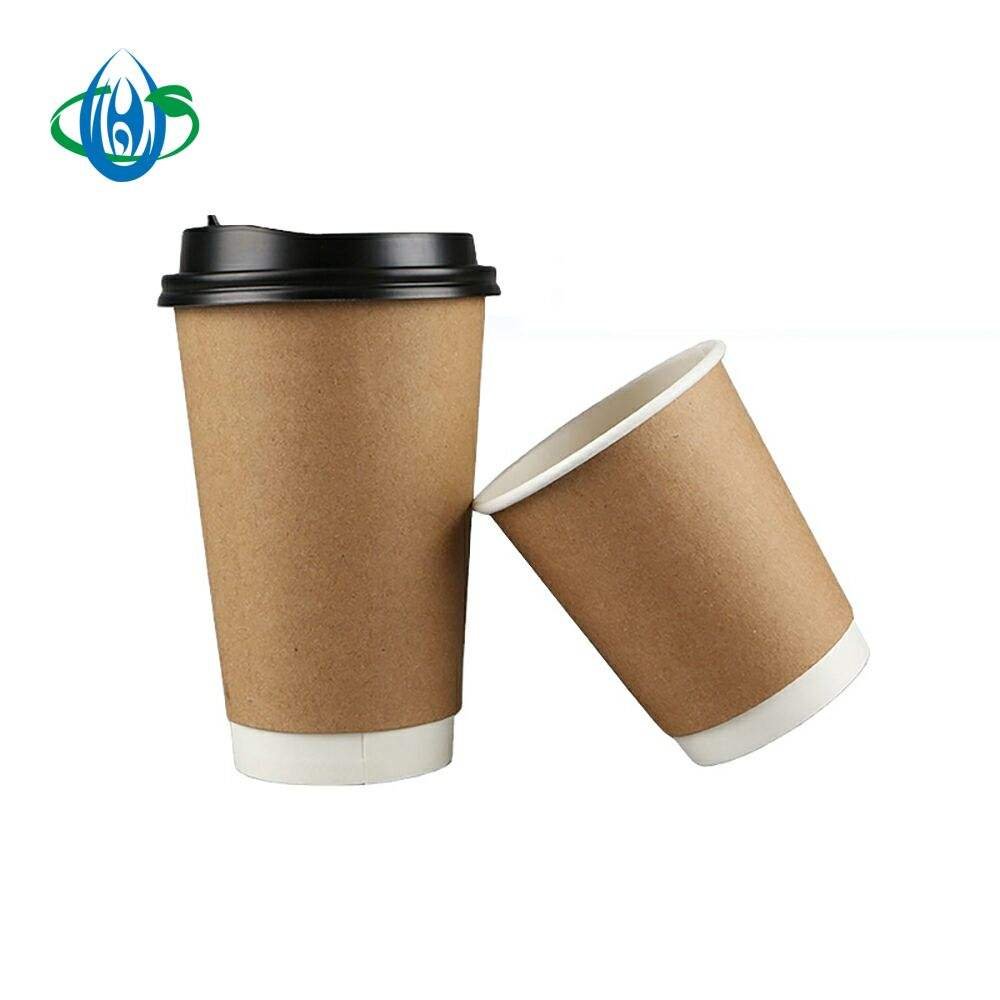
🧊 Scenario 1: cold cups, salad bowls, takeaway containers
Recommendation: PLA coating
For low-temperature use (0–10 °C) PLA performs excellently, and the eco-friendly angle adds green value to your brand. Ideal for EU and North American markets, especially in SUP-regulated regions.
Spec reference: 180–300 gsm paperboard + 15–25 gsm PLA coating
☕ Scenario 2: hot drink cups, coffee cups, soup containers
Recommendation: PE coating
Hot beverages at 60–95 °C exceed PLA’s tolerance limit. PE coating reliably withstands up to 120 °C. For eco-conscious branding, consider a PE inner layer plus a PLA outer layer.
Spec reference: single-side PE 15–25 gsm, or PE+PLA dual-side coating
🥤 Scenario 3: dual-use cups for tea and beverage shops
Recommendation: PE coating or dual-side coating
Tea and beverage shops need one cup that handles both hot milk tea and cold fruit tea. PE coating is the safest all-round choice; premium brands can opt for PE inner + PLA outer dual-side coating.
Spec reference: 300–400 gsm paperboard + PE inner (20 gsm) + PLA outer (10 gsm)
⚠️ 4. Common misconceptions corrected
Fact: PLA needs industrial composting conditions (58 °C, high humidity and specific microbial colonies) to break down within 90 days. In a home compost bin or in natural soil, PLA can take years or longer. Globally only around 200 industrial composting facilities are equipped to process PLA, mainly in Europe and parts of the United States. Always check the composting infrastructure available in your market.
Fact: that was true in 2022–2023, when PLA production capacity was limited. With global PLA capacity doubling to over 1 million tonnes per year by 2025–2026, the price gap has narrowed to 30–50%. For volume buyers (10+ tonnes per month) the premium can be compressed further, to 20–30%.
Fact: the EU Single-Use Plastics Directive does not ban PE. It targets single-use plastic items such as plastic cutlery, straws, stirrers and plates. Paper cups themselves are not on the banned list. The EU is, however, pushing strongly for recyclable and compostable paper packaging, and countries such as the Netherlands and France have already introduced stricter packaging rules.
Fact: PLA’s glass transition temperature is around 55–60 °C. Microwave heating can quickly push local temperatures above 60 °C, softening the PLA layer and destabilising the cup. PE-coated cups tolerate short microwave use (under 500 W, up to 30 seconds) but this is still not recommended.
5. Salon Paper’s solutions
Ningbo Salon Paper Product Co., Ltd. specialises in food-grade paper packaging materials and offers three coating product lines covering every application scenario:
| Product line | Coating type | Best for | Certifications |
|---|---|---|---|
| Classic Series | PE single-side coating | Hot cups, soup bowls, high-temperature packaging | FDA |
| Eco Series | PLA single-side coating | Cold cups, salad bowls, takeaway boxes | FDA + BPI + EN 13432 |
| Premium Series | PE+PLA dual-side coating | Dual-use cups, premium tea packaging | FDA + BPI |
- FDA-certified — all product lines comply with US food contact material standards
- BPI-certified — the Eco and Premium series meet North American compostability standards
- EN 13432 — the Eco series complies with EU packaging compostability requirements
- Low MOQ — trial orders from 1 tonne, reducing initial procurement risk
- Free compliance consulting — we help US and EU buyers navigate target-market packaging regulations at no extra cost
Request samples and pricing
Need to pick the best coating solution for your paper cup products? We offer free samples (FOC, shipped worldwide).
✉️ Email: [email protected]
🌐 Website: www.salonpaper.com
What we offer: free samples · professional technical spec matching · flexible payment terms · fast-response pre-sales and after-sales support
Contact us for samples and pricingTechnical References & Certifications
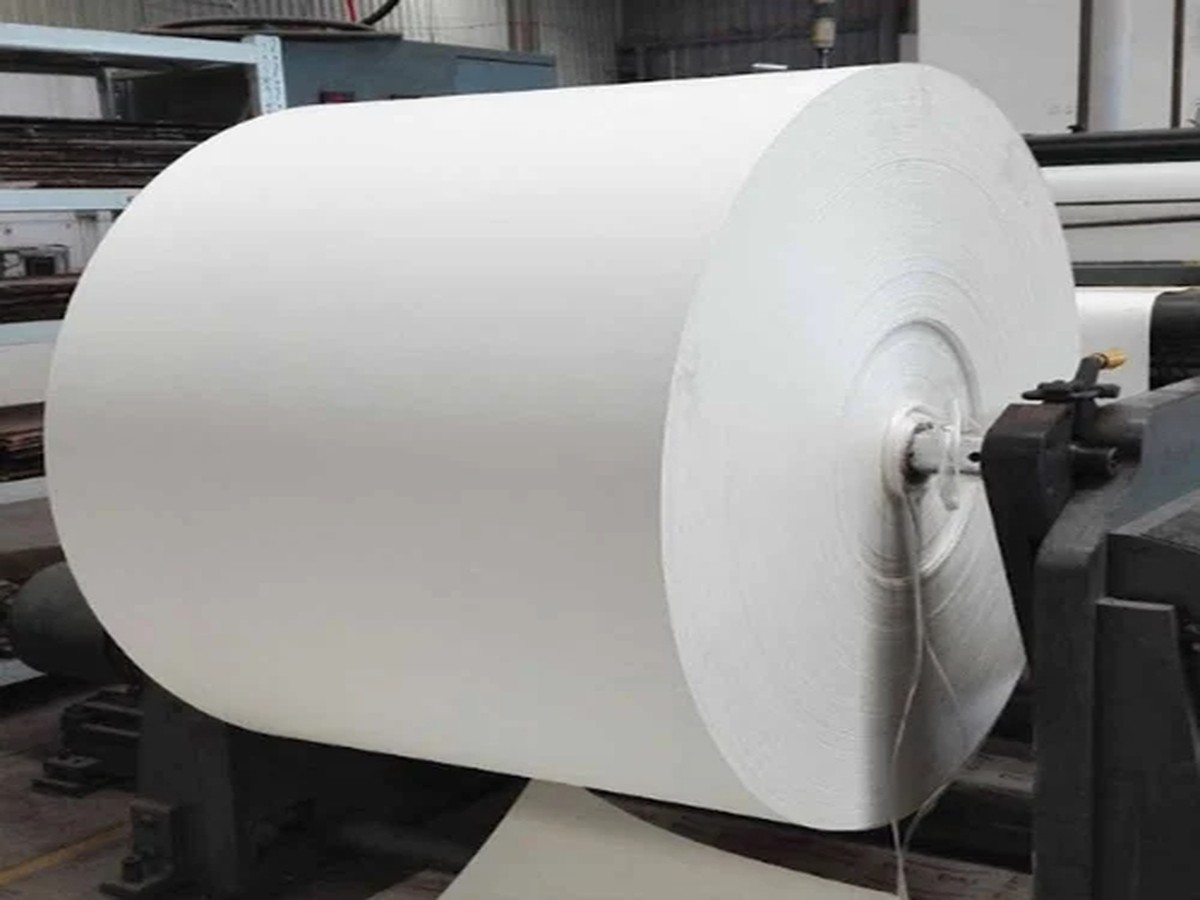
- Salon Paper supplies both PE-coated and PLA-coated cup paper stock (170-300gsm)
- FDA and EU-certified food contact materials for hot and cold beverages
- Compatible with high-speed paper cup forming machines
- FSC-certified fiber sources for sustainable packaging solutions