For decades, printing was one of the industries connecting information, brands and consumers. Newspapers, magazines and general commercial printing are now largely served by digital channels.
That has led to a popular conclusion: printing is a dying industry.
It is the wrong conclusion.
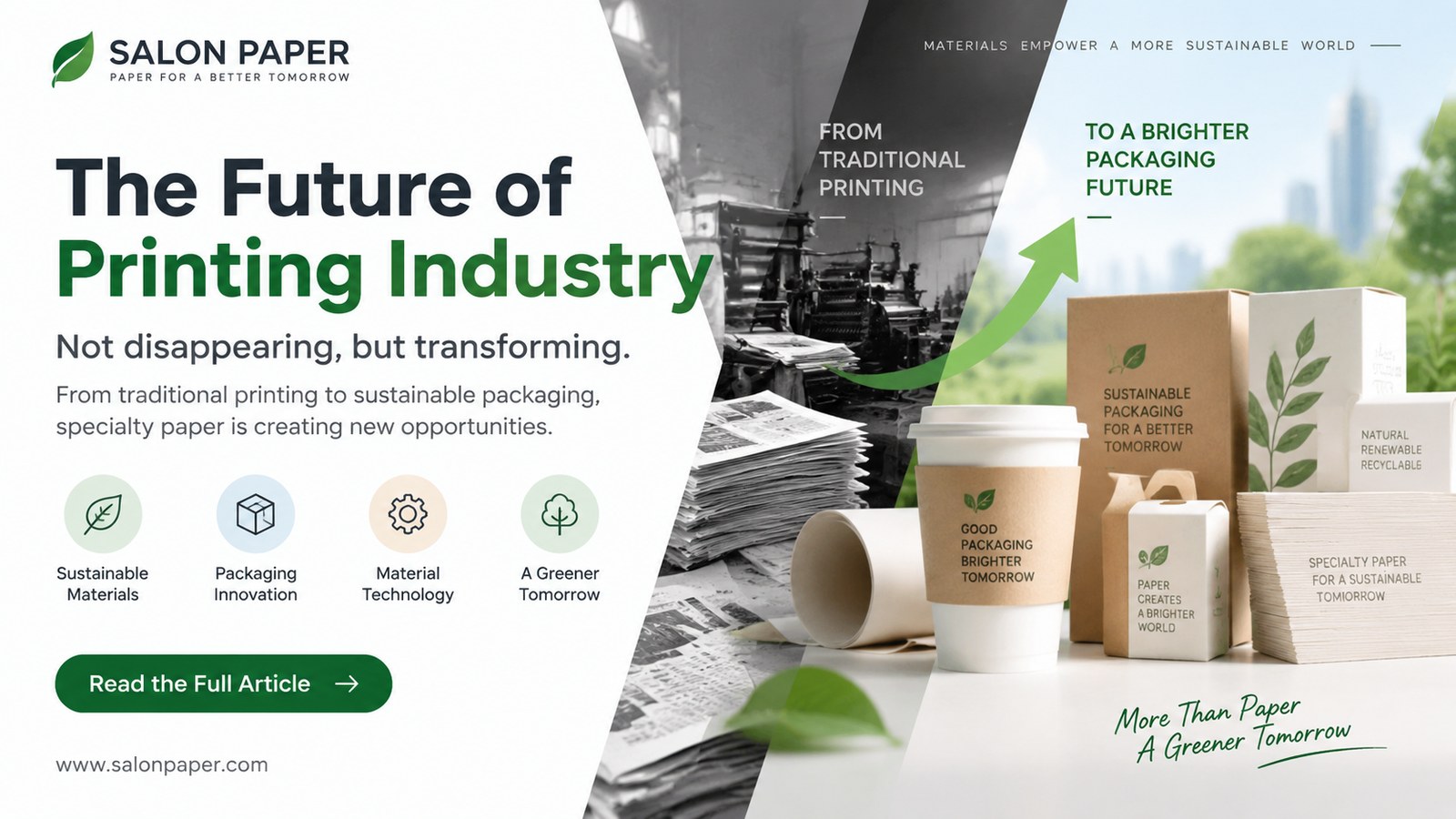
Traditional, low-value printing is contracting. High-value printing - packaging, branding and functional materials - is growing. The industry is not disappearing; it is changing what it prints on, and what it prints for.
1. Digital Technology Replaced the Low-Value End
Digital transformation removed demand from the bottom of the market: newspapers, basic brochures, simple commercial print. Those applications had little differentiation and no barrier to substitution.
What digital media did not replace is the physical product. Consumers still need packaging, product protection, brand experience and premium presentation. Those needs are growing, and they are all printed.
2. Packaging Printing Is Now the Growth Market
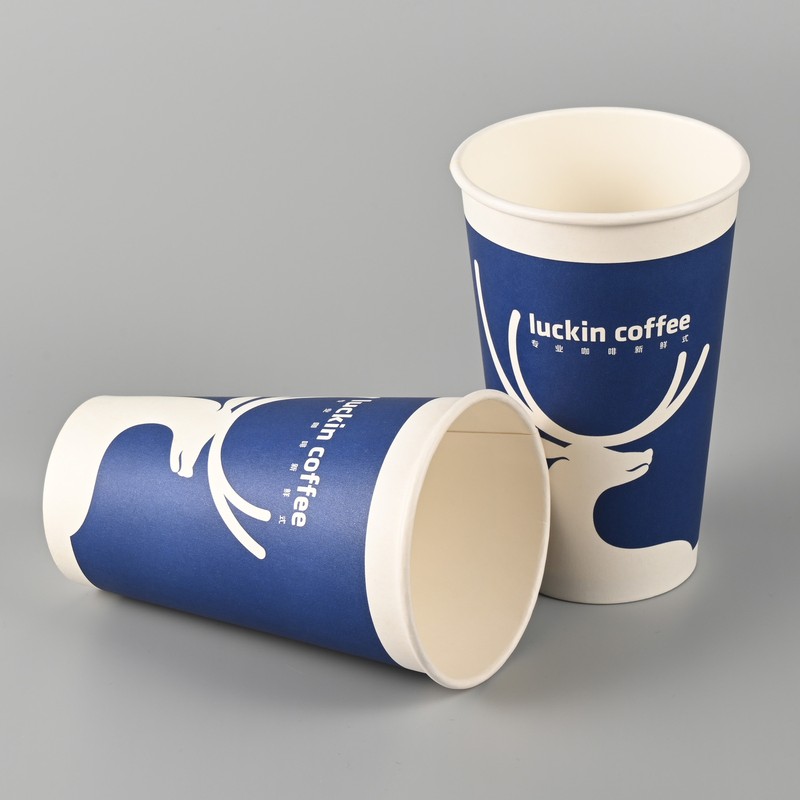
Every consumer product requires packaging - food and beverage, cosmetics, electronics, luxury goods and fashion. Packaging is no longer only a protective layer; it has become the primary communication surface between a brand and its customer.
That shift changes what brands ask for from a material:
| What brands want | What it means for the paper |
|---|---|
| Better printability | Coated, smooth, consistent surface; predictable ink lay-down |
| Premium appearance | Metallic, holographic, high-whiteness or deep-matte finishes |
| Sustainability | Recyclable or compostable coatings instead of PE film |
| Functional performance | Barrier against water, grease, oxygen and aroma |
Notice that only the first two are about printing. The other two are about the material the printing sits on - which is exactly where the growth has moved.
3. Specialty Paper Materials Are Driving the Innovation
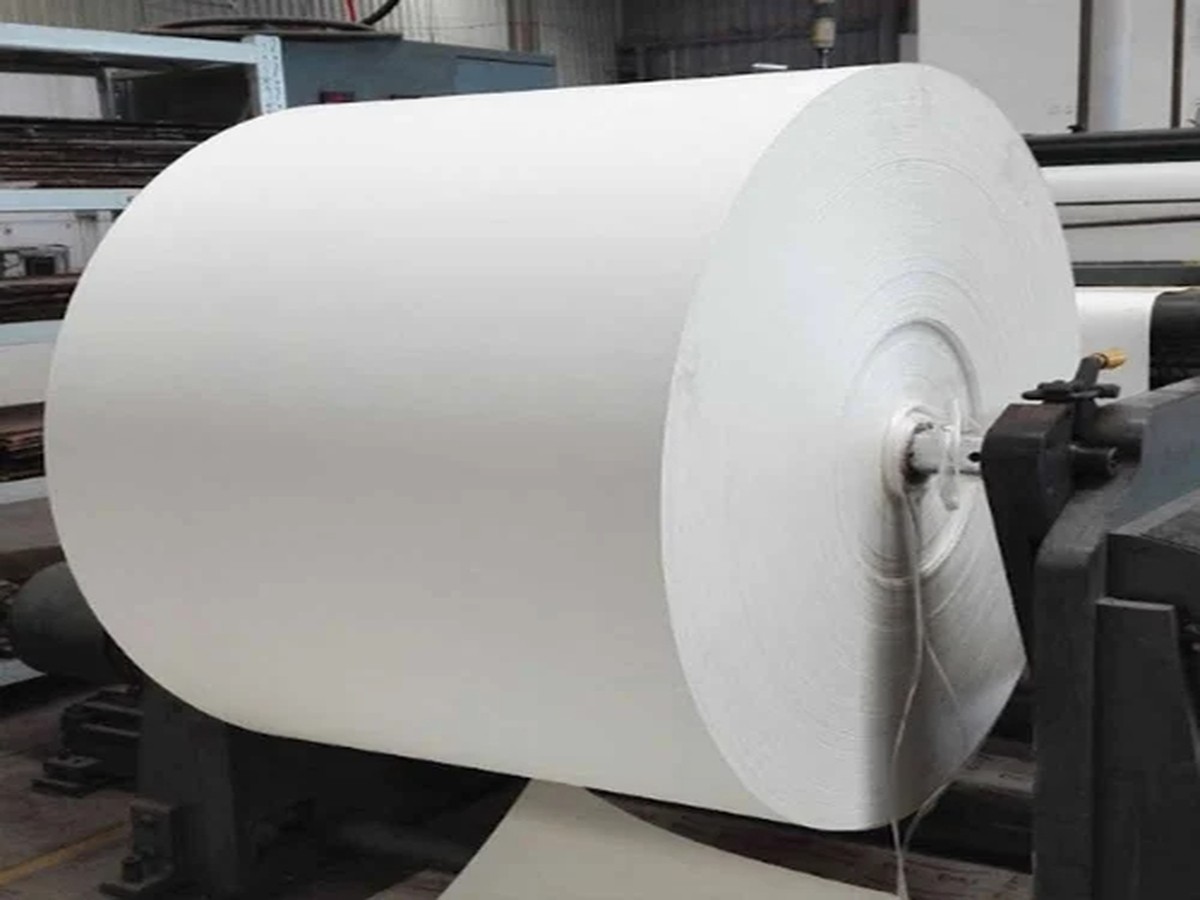
Ordinary paper has been largely commoditised. Functional paper has not. The differentiation now happens at the material level, and there are two families that matter most.
Barrier coated paper
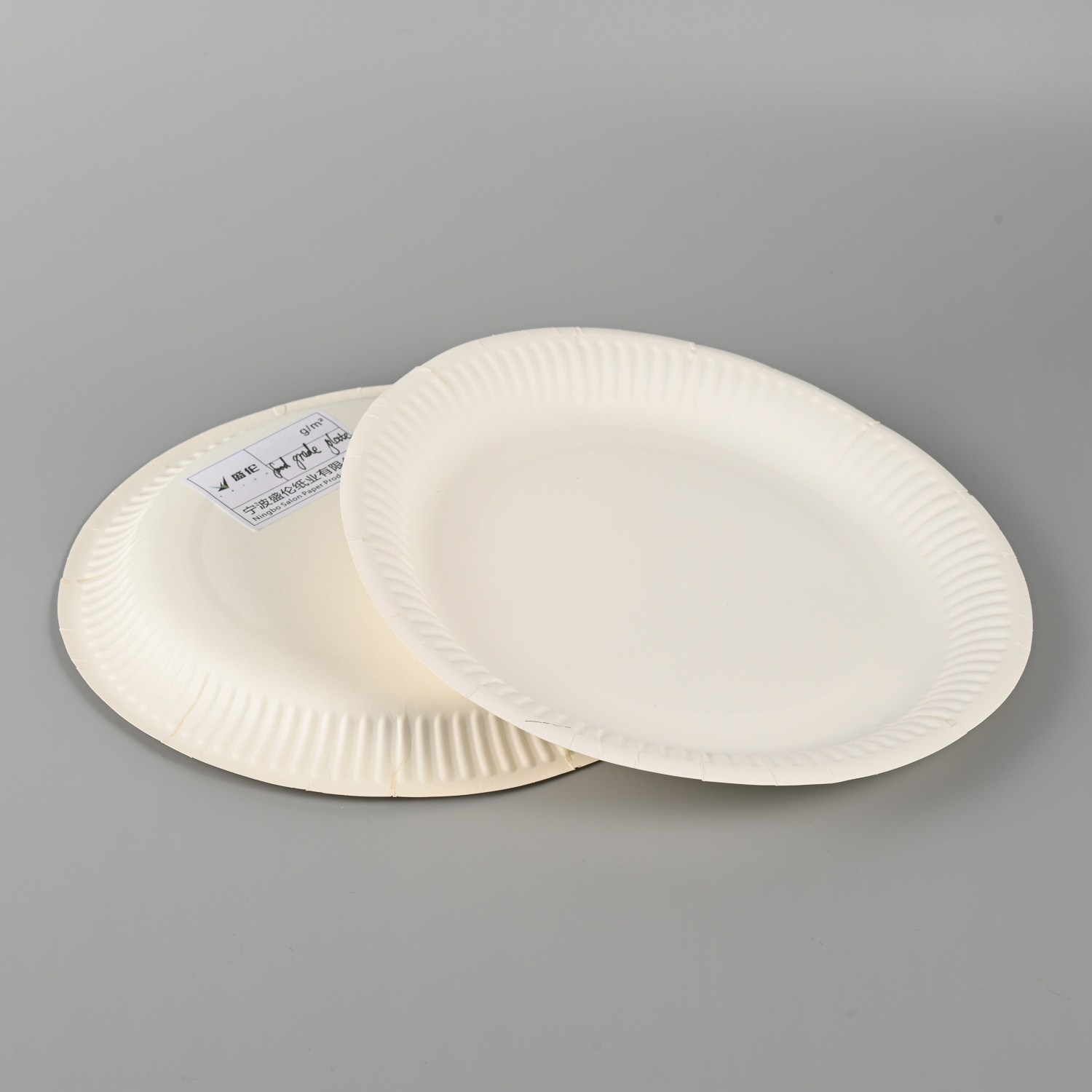
Barrier coated paper is engineered for food packaging, liquid resistance, grease resistance and plastic reduction. The three coating technologies replacing PE film are:
- Water-based (aqueous) coatings - repulpable, so the pack stays in the paper recycling stream
- PLA coatings - bio-based and industrially compostable
- PHA coatings - home and industrially compostable, the highest-performing option
Our Barrier Coating Technologies 101 and PLA vs PHA comparison cover how each performs, and the barrier coated paper product page lists the substrates we laminate.
Premium paperboard
High-quality board carries the premium end of the market - luxury packaging, gift boxes, cosmetics and high-end retail. The grades doing the work are ivory board / FBB, specialty coated board and metallic board.
See our ivory board (FBB) and gold and silver cardstock pages for GSM ranges and finishes.
4. Sustainability Is Now a Specification, Not a Preference
Environmental regulation has moved sustainability from a marketing preference to a purchasing specification. The EU Packaging and Packaging Waste Regulation (PPWR) entered into force on 12 August 2026 and adds requirements on recyclability, recycled content and hazardous substances.
That means future printing materials must be assessed on recyclability, renewable sourcing, plastic reduction and responsible supply chain - not just on appearance. The practical consequence for buyers: the coating decision is now a compliance decision.
Our EU PPWR 2026 guide and certifications page cover what documentation is required.
5. The Future Competes on Materials, Not Machines
The next phase of the printing industry will not be won by whoever owns the fastest press. Press capability is widely available and increasingly commoditised.
It will be won by whoever can supply the material that solves the packaging problem: functional paper, sustainable coatings, high-performance paperboard and customised solutions. Suppliers who can answer a specification - not just quote a price - become long-term partners to global brands.
Conclusion
The printing industry is not dying. It is transforming, and the value has moved from the press to the material:
Traditional printing → sustainable packaging materials → advanced specialty paper
At Salon Paper, we treat paper as a component of the packaging system rather than a substrate for ink. That is why we invest in cupstock, barrier coated paper, ivory board and holographic board - the materials the next generation of packaging is built on.
Sourcing Specialty Paper or Barrier Coated Board?
Salon Paper supplies cupstock, barrier coated paper, ivory board, metallic and holographic board from Ningbo, China - factory direct, with FSC and food-contact options.